
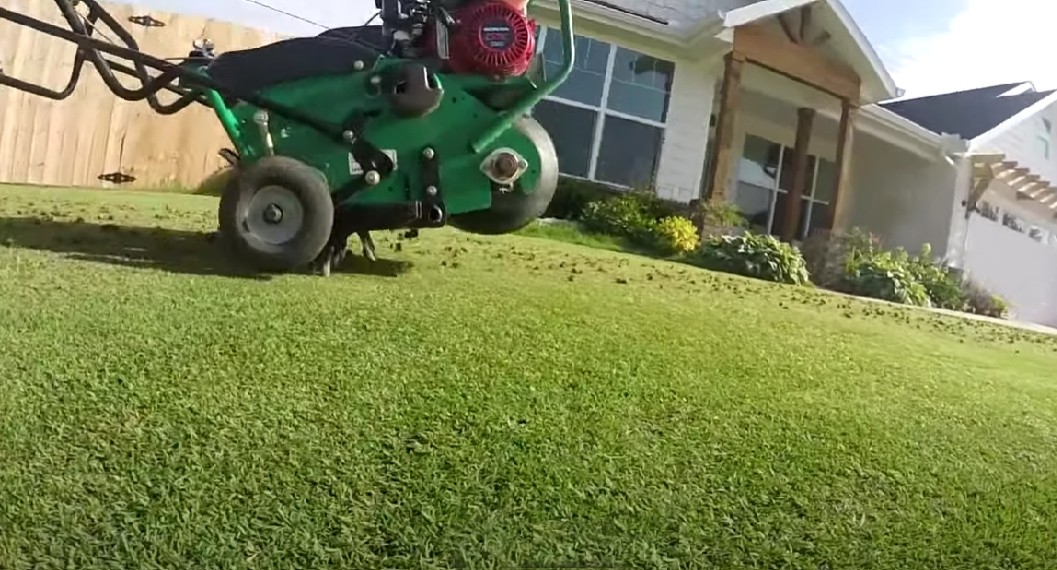
For homeowners across Middle Tennessee, a lush, green lawn is a point of pride. But our region’s heavy clay soil, combined with the hot, humid summers, can lead to serious soil compaction. This can choke off your grass roots, preventing them from getting the water, air, and nutrients they need to thrive. That’s where Core Aeration comes in. It’s a vital practice that keeps your lawn healthy, but how often should you do it? The answer depends on your lawn’s specific needs and the time of year.
Seasonal Factors That Influence Lawn Aeration Frequency in Middle Tennessee
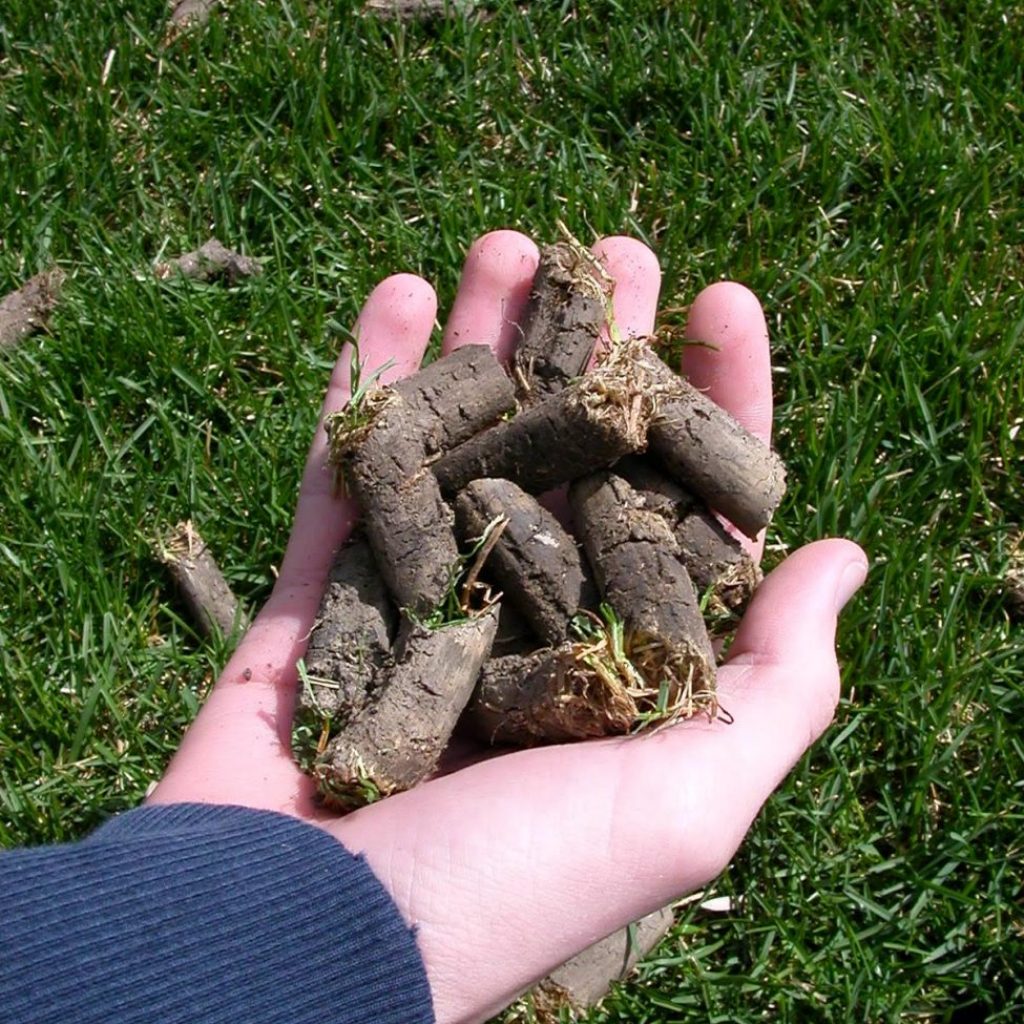
The best time to perform core aeration in Middle Tennessee is when your lawn’s type of grass is in its peak growing season. This ensures the grass can quickly recover from the process and fill in the newly created holes.
- For Cool-Season Grasses: If your lawn is primarily cool-season fescue, the ideal time for core aeration is in the fall, from late August to early November. This window gives the grass a chance to recover from summer stress and establish a strong root system before winter. It also aligns perfectly with fall seeding, allowing grass seed and fertilizer to settle deep into the soil for better germination.
- For Warm-Season Grasses: If you have a warm-season lawn like Bermuda or Zoysia, you should perform Core Aeration in the late spring or early summer, typically May to June. This is when these grasses are actively growing and will quickly repair themselves. Aerating during this time helps the grass stay strong and resilient throughout the hot summer months.
For most lawns, a single, annual core aeration performed at the right time is sufficient to maintain good soil health.
Signs Your Lawn Needs Core Aeration More Than Once a Year
While once a year is a good standard, certain conditions may indicate that your lawn needs a little extra help to stay healthy.
- Heavy Foot Traffic: If your lawn is a high-traffic area—from kids playing, pets running around, or frequent entertaining—the soil will compact faster than usual. You may need to perform core aeration twice a year to keep it from getting too dense.
- Poor Drainage: After a heavy rain, if you see puddles of standing water that take a long time to drain, it’s a clear sign of compacted soil. Aeration can improve the soil’s ability to absorb water, preventing runoff and ensuring moisture reaches the roots.
- Thin or Patchy Grass: If your grass looks thin, struggles to grow, or has large bare patches despite proper watering and fertilization, soil compaction is a likely culprit. The roots simply can’t expand and take hold in the dense soil.
- A Spongy Feel: A healthy lawn should feel firm underfoot. If your lawn feels spongy and springy, it can indicate a thick layer of thatch that prevents air and water from reaching the soil. Core Aeration helps break up this layer and allows nutrients to penetrate.
If it’s in your budget to schedule Core Aeration every year, do it! If not, schedule it every other year. The primary reason to Core Aerate your lawn is to relieve compaction of this hard clay soil in middle Tennessee. Applying lime and incorporating coarse sand into the soil profile is also very beneficial.
Choosing the right time and frequency for Core Aeration is vital for the health of your middle Tennessee lawn. For expert assessment and high-quality core aeration services tailored to your specific lawn type and needs, contact SecureLawn today. Let us help you cultivate a beautiful, thriving lawn!